New chat

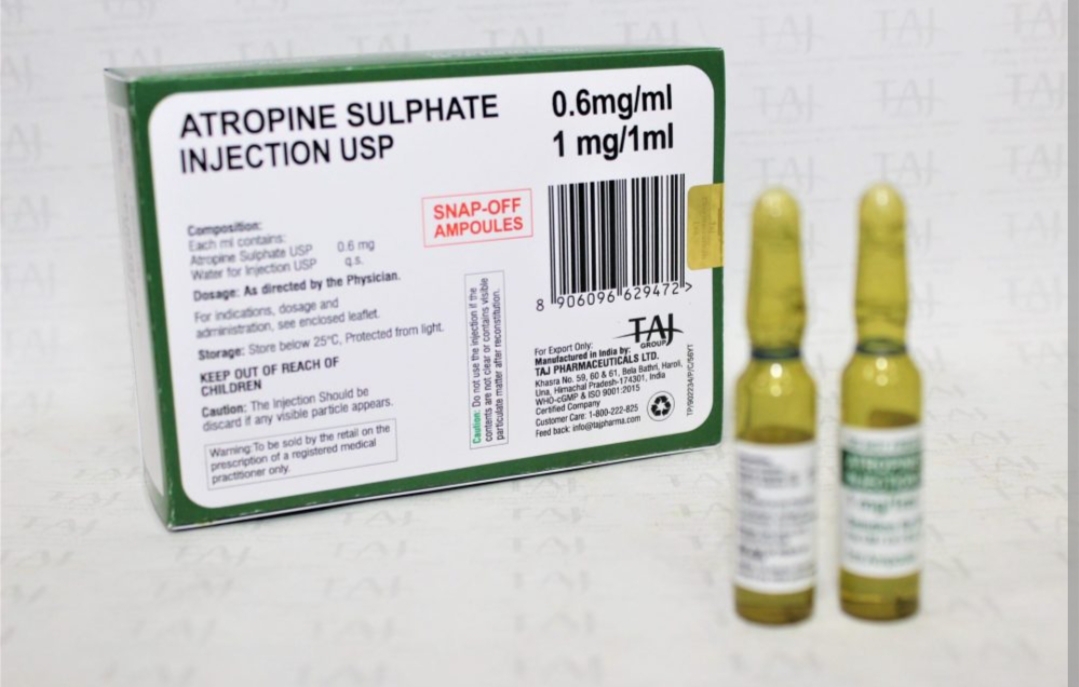
🔶Atropine injection details🔶
Atropine is a medication that belongs to a class of drugs called anticholinergics. It is commonly used in medical settings to treat a variety of conditions, including bradycardia (slow heart rate), respiratory distress, and certain types of poisoning.
When administered via injection, atropine typically comes in a solution that is given intravenously (into a vein) or intramuscularly (into a muscle). The dosage and method of administration will depend on the specific condition being treated, as well as the patient’s age, weight, and overall health.
Here are some general guidelines for atropine injection:
- 🔶Dosage: The typical adult dose of atropine for bradycardia is 0.5-1 mg intravenously, with repeat doses of 0.5 mg every 3-5 minutes as needed. For respiratory distress, the dose may be higher, up to 2-4 mg intravenously. Pediatric doses are typically based on weight and age, and may range from 0.02 to 0.05 mg/kg.
- 🔶Administration: Atropine injections should be given by a trained medical professional in a hospital or clinical setting. The medication may be administered via a needle inserted directly into a vein or muscle, or through an IV line. The injection site should be clean and sterile to prevent infection.
- 🔶Side effects: Atropine can cause a number of side effects, including dry mouth, blurred vision, urinary retention, confusion, and rapid heartbeat. These effects are typically mild and temporary, but in rare cases, atropine can cause more serious complications, such as seizures or anaphylaxis.
- 🔶Precautions: Atropine should be used with caution in patients with certain medical conditions, such as glaucoma, enlarged prostate, or gastrointestinal obstruction. It should also be used with caution in pregnant or breastfeeding women, as the effects on the fetus or infant are not well understood.
It’s important to note that atropine should only be administered under the supervision of a healthcare provider, and should never be self-administered or used without medical guidance.
 Pharma health care